
A Take on Haxe/Flixel
If you google for “Haxe”, you might encounter pictures of dead animals’ legs, roasted and
Continue reading...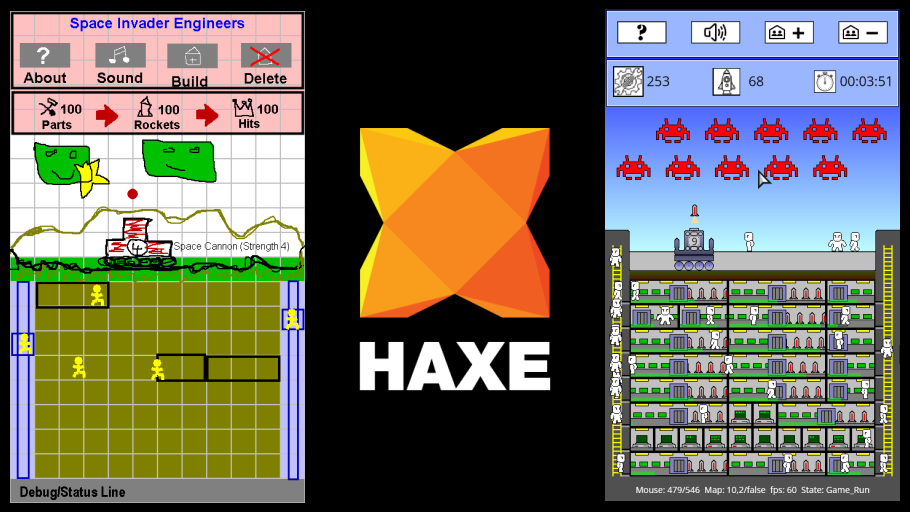
If you google for “Haxe”, you might encounter pictures of dead animals’ legs, roasted and
Continue reading...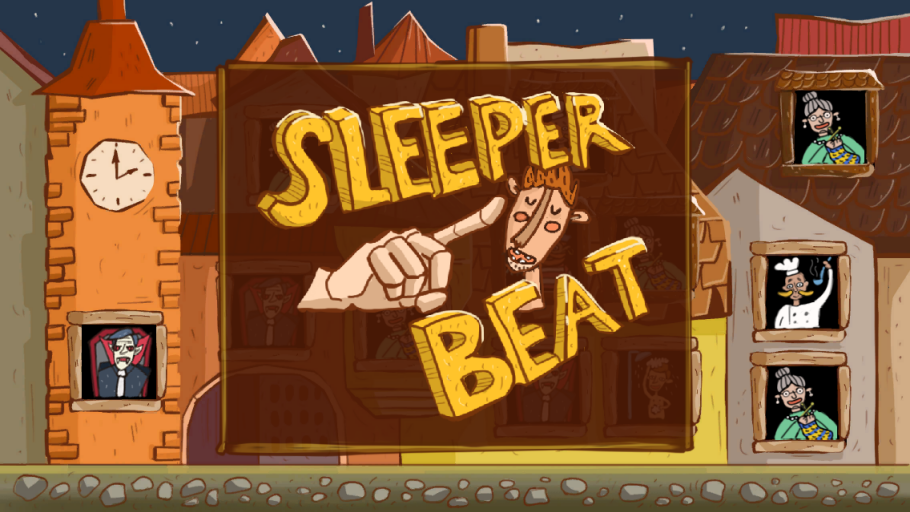
The first Regensburg 48h GameJam (organized by GameDev Regensburg e.V.) was held from August, 13
Continue reading...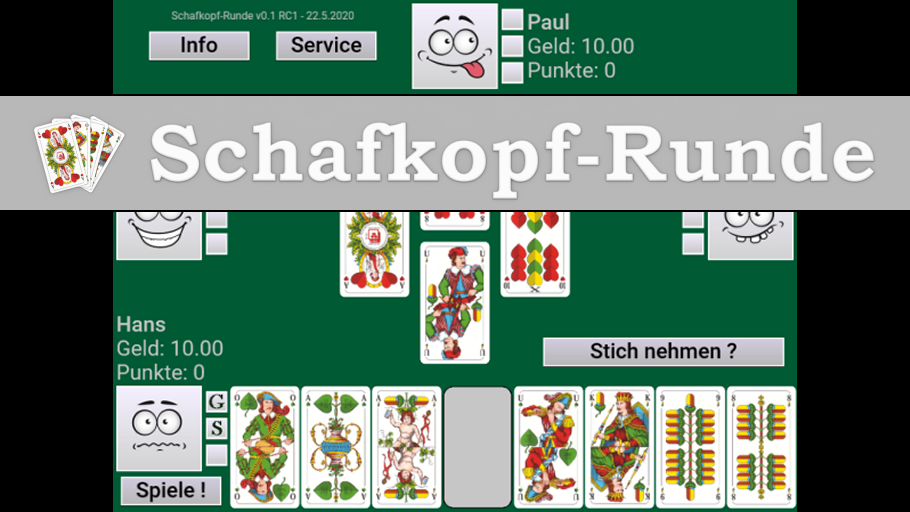
This is a Virtual Tabletop (VTT) for playing the german card game Schafkopf (sheepshead) –
Continue reading...
The site is currently undergoing some structural and graphical changes. I’m moving most of the
Continue reading...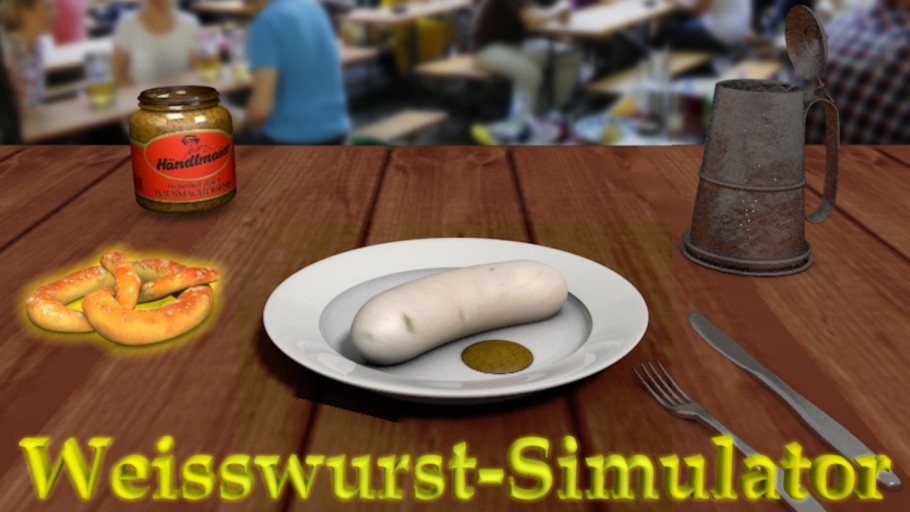
For all those missing the “beergarden and weisswurst experience”: The Weisswurst-Simulator! A must-visit during Corona
Continue reading...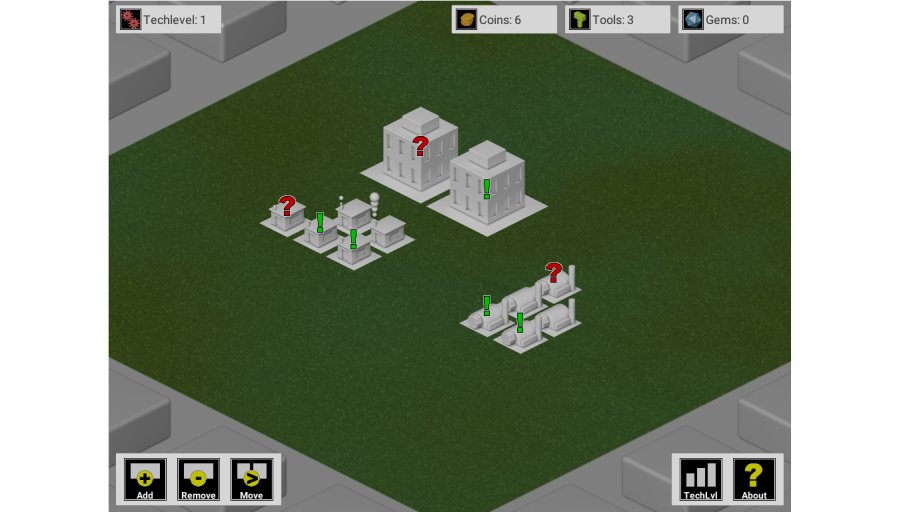
This is a browsergame client/server tech concept. When playing Forge of Empires (FoE), I wondered
Continue reading...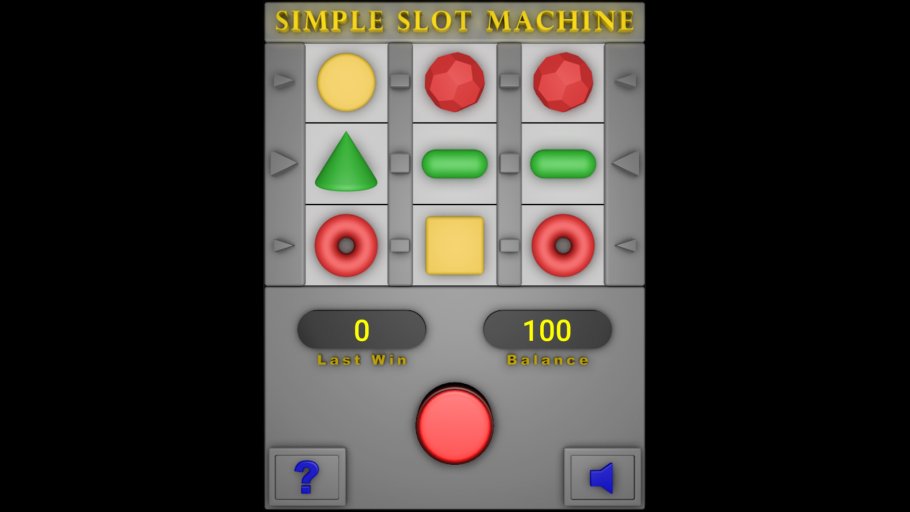
Graphics apps or games for mobile can be distributed by app store or – more
Continue reading...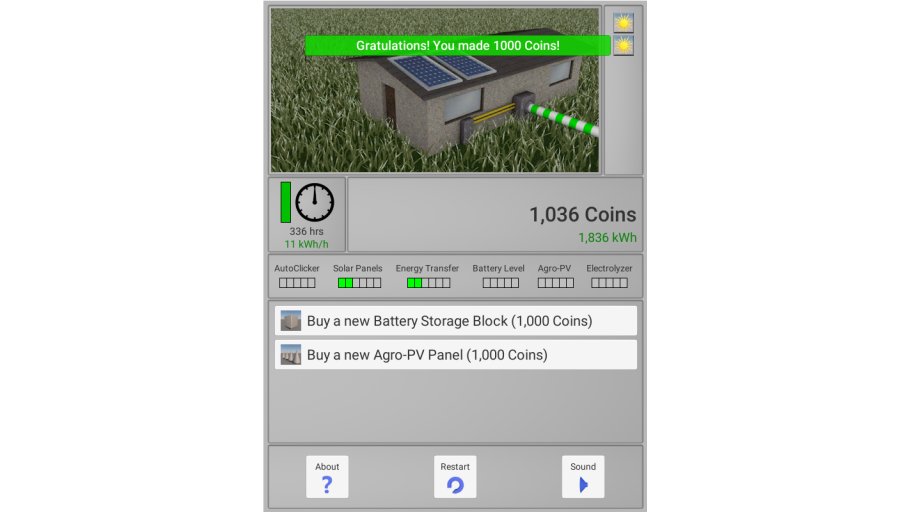
kWhClicker is a little fun project, trying to recreate the “gameplay” of clicker/idle games with
Continue reading...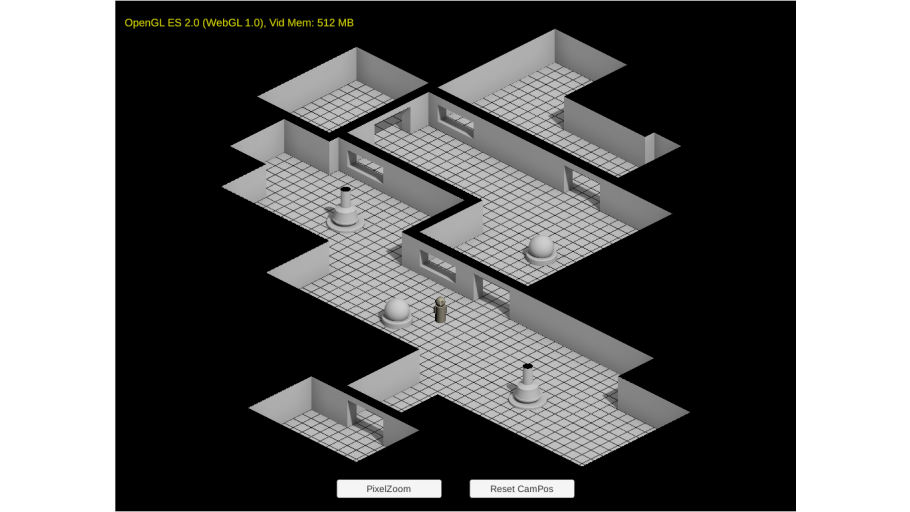
This is my 2nd take on “Rendering 2D-Images with Depth in Unity“. Although the first
Continue reading...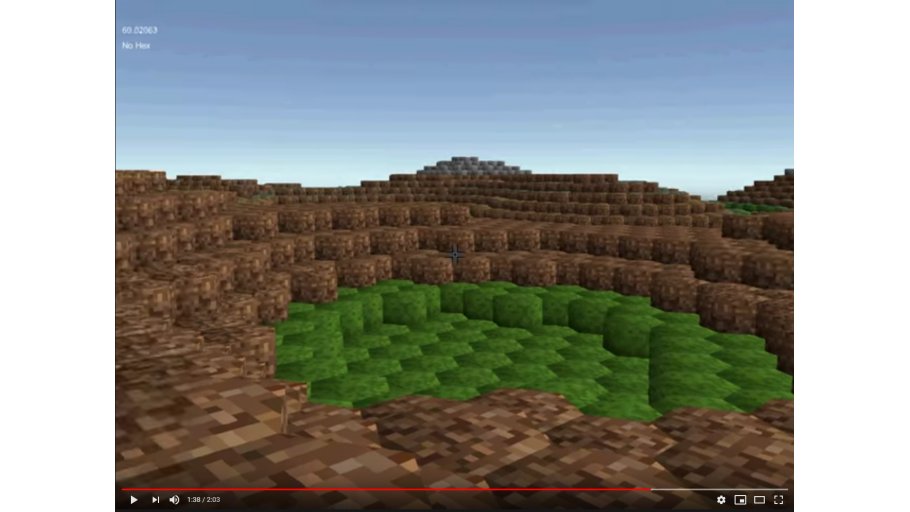
Just added a video of my Unity3D test app “Possible Minecraft with Hexagon Blocks” to
Continue reading...